CO2 Fire Suppression Systems
Carbon dioxide fire suppression systems provide fast, clean, and effective fire protection for industrial and commercial environments where water, foam, or dry chemical agents may damage equipment, contaminate materials, or interrupt operations.
State Fire designs, installs, inspects, tests, maintains, repairs, recharges, and upgrades high-pressure and low-pressure CO2 fire suppression systems for special hazard environments. Our systems are designed to support NFPA 12 compliance and protect machinery, electrical equipment, process areas, marine spaces, and other high-risk applications.
CO2 systems are most commonly used in normally unoccupied spaces or areas where strict life-safety controls can be integrated into the system design. When properly engineered, carbon dioxide fire suppression can provide rapid fire control without leaving residue behind.

CO2 Fire Suppression for High-Risk Industrial Facilities
CO2 fire suppression systems are built for hazards where traditional sprinkler systems may not be the best solution. Carbon dioxide is electrically non-conductive, non-corrosive, and residue-free, making it a strong option for protecting equipment and industrial assets that could be damaged by water or chemical cleanup.
These systems are commonly used for:
- Electrical rooms and switchgear
- Generators and turbines
- Industrial machinery
- Manufacturing equipment
- Marine engine rooms
- Paint booths and flammable vapor areas
- Printing presses and process equipment
- Chemical processing areas
- Power generation facilities
- Normally unoccupied machinery spaces
State Fire provides complete CO2 fire suppression support, from system planning and installation to ongoing inspection, testing, maintenance, and emergency repair.
How CO2 Fire Suppression Systems Work
A CO2 fire suppression system extinguishes fire by quickly discharging carbon dioxide into a protected area or directly onto a specific hazard. The carbon dioxide reduces oxygen concentration around the fire, helping stop combustion and prevent fire spread.
A typical CO2 system may include:
- Carbon dioxide cylinders or refrigerated bulk storage tanks
- Detection devices
- Control panel and releasing controls
- Discharge piping and nozzles
- Audible and visual pre-discharge alarms
- Manual release stations
- Time delays and safety interlocks
- Ventilation shutdown controls
- Warning signage and re-entry procedures
When a fire is detected, the system activates through automatic detection, manual release, or another approved releasing method. CO2 is then discharged through engineered piping and nozzles to reach the required concentration for the hazard.
Because CO2 systems depend on proper agent concentration, enclosure conditions, ventilation, leakage points, and equipment layout must all be considered during design.
High-Pressure and Low-Pressure CO2 Systems
State Fire designs and installs both high-pressure and low-pressure CO2 fire suppression systems. The right option depends on the size of the hazard, required agent volume, available space, discharge frequency, and facility layout.

High-Pressure CO2 Systems
High-pressure CO2 systems store carbon dioxide in steel cylinders at approximately 850 PSI. These systems are ideal for facilities that need modular agent storage, flexible installation, or protection across multiple hazard areas.
High-pressure CO2 systems are commonly used for:
- Electrical rooms
- Control panels
- Switchgear rooms
- Machinery spaces
- Industrial equipment
- Small to mid-sized hazard areas
- Facilities with limited space for bulk storage
Because cylinders can be arranged individually, manifolded, or installed in banks, high-pressure CO2 systems offer flexible protection for targeted hazards and distributed facility layouts.

Low-Pressure CO2 Systems
Low-pressure CO2 systems store carbon dioxide in refrigerated bulk tanks at approximately 300 PSI. These systems are designed for larger facilities or applications that require a large quantity of agent from a centralized source.
Low-pressure CO2 systems are commonly used for:
- Large industrial facilities
- Power generation operations
- Manufacturing plants
- Process equipment areas
- Facilities requiring frequent discharges
- Large-volume total flooding applications
For large hazards, low-pressure systems may reduce refill complexity and long-term agent storage costs compared to replacing or refilling multiple high-pressure cylinders.
Total Flooding vs. Local Application CO2 Systems
CO2 fire suppression systems can be designed as total flooding systems, local application systems, or a combination depending on the hazard.
Total Flooding CO2 Systems
A total flooding CO2 system discharges carbon dioxide throughout an enclosed room or space until the required design concentration is reached. This approach is used when the entire enclosure requires protection.
Total flooding systems may be used for:
- Engine rooms
- Electrical rooms
- Turbine enclosures
- Machinery rooms
- Generator rooms
- Confined industrial spaces
For total flooding systems to work properly, the enclosure must be evaluated for leakage, ventilation, door openings, dampers, and agent retention time.
Local Application CO2 Systems
A local application CO2 system discharges agent directly onto a specific hazard rather than filling an entire room. This approach is often used when the hazard is open, partially enclosed, or limited to a specific piece of equipment.
Local application systems may be used for:
- Industrial machinery
- Dip tanks
- Printing presses
- Paint lines
- Process equipment
- Ovens and coating equipment
- Flammable liquid hazards
State Fire evaluates your equipment, fuel source, ventilation, ignition risks, and operating environment to determine the correct CO2 system design.
Benefits of CO2 Fire Suppression Systems
Fast-Acting Fire Suppression
CO2 systems discharge quickly and can suppress fires within seconds. Rapid response helps reduce fire spread, equipment damage, production downtime, and business interruption.
Clean, Residue-Free Protection
Unlike dry chemical systems, CO2 leaves no residue after discharge. This helps minimize cleanup, reduce contamination risk, and protect sensitive machinery or process equipment.
Electrically Non-Conductive
Carbon dioxide is non-conductive, making it suitable for many electrical fire hazards, including switchgear, control panels, generators, and electrical equipment rooms.
Cost-Effective Agent Supply
CO2 is widely available and can be a cost-effective fire suppression agent, especially for industrial facilities with large hazards or systems that may require recharge after activation.
NFPA 12 CO2 System Design and Life Safety Requirements
CO2 fire suppression systems must be carefully designed because carbon dioxide can be hazardous to people at fire-suppression concentrations. These systems are generally intended for normally unoccupied spaces or areas where required safety controls and procedures can be implemented.
State Fire designs CO2 systems with life-safety and code requirements in mind, including:
- NFPA 12 design considerations
- Pre-discharge audible and visual alarms
- Time delays before system discharge
- Manual release stations
- Emergency stop or abort functions where required
- Lockout or service isolation procedures
- Ventilation and HVAC shutdown coordination
- Warning signage
- Occupancy and evacuation planning
- Post-discharge ventilation and re-entry procedures
- AHJ coordination and documentation
Our team evaluates the hazard, occupancy risk, enclosure layout, ventilation conditions, and system operation sequence to help ensure your CO2 system is safe, reliable, and code-aligned.
Where CO2 Fire Suppression Systems Are Used
State Fire installs and services CO2 fire suppression systems for a wide range of industrial, commercial, marine, and special hazard environments.

Industrial Machinery & Manufacturing
Protect motors, production lines, generators, turbines, presses, ovens, and other critical manufacturing equipment from fire damage.
Power Generation Facilities
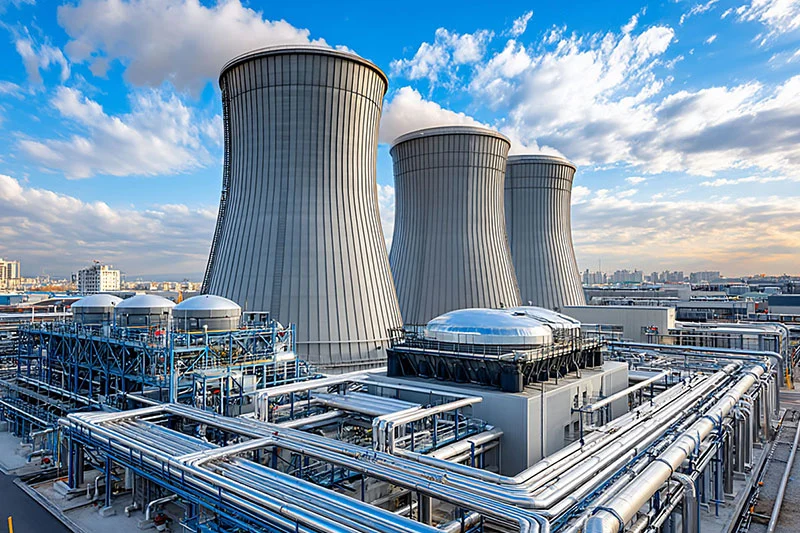
Safeguard turbines, generators, electrical infrastructure, substations, and other high-value power generation assets.

Chemical Processing Plants
Protect process equipment and hazardous production areas without introducing water or residue that could contaminate materials.

Electrical & Switchgear Rooms
Provide clean, non-conductive fire suppression for electrical equipment, control rooms, switchgear, and critical power systems.
Marine & Offshore Environments
Protect engine rooms, machinery spaces, and confined marine environments with rapid-response CO2 suppression.
Paint Booths & Flammable Vapor Areas
Help reduce fire risk in environments with combustible vapors, solvents, coatings, and flammable liquids.
Food Processing Facilities
Protect select industrial cooking, fryer, and production environments involving high-temperature oils or specialized equipment hazards.
Specialized Industrial Applications
CO2 systems may also be used for printing presses, lumber processing, semiconductor manufacturing, coating lines, dip tanks, and other custom-engineered hazards.
CO2 System Design, Installation, Inspection and Service
Our CO2 services include:
- Hazard analysis and system planning
- System design and engineering
- High-pressure CO2 system installation
- Low-pressure CO2 system installation
- Total flooding system design
- Local application system design
- Detection and releasing control integration
- CO2 system inspection and testing
- Preventive maintenance
- Cylinder and tank service
- Agent recharge and refill coordination
- Hydrostatic testing support
- System repairs and troubleshooting
- Retrofits, upgrades, and modifications
- Post-discharge return-to-service support
Routine inspection and maintenance help verify that cylinders or tanks, controls, nozzles, alarms, detection devices, piping, releasing circuits, and safety features are ready to perform when needed.
Is CO2 the Right Fire Suppression System for Your Facility?
CO2 is an effective solution for many industrial hazards, but it is not the right fit for every application. Because carbon dioxide affects oxygen levels, system design must account for occupancy, ventilation, evacuation, and re-entry safety.
CO2 may be a strong option when your facility needs:
- Fast fire suppression
- No water damage
- No chemical residue
- Non-conductive protection
- Industrial hazard coverage
- Machinery or electrical equipment protection
- Large-volume special hazard suppression
Other systems may be more appropriate for occupied spaces, data centers, server rooms, clean rooms, or environments where personnel exposure risk is a major concern. In those situations, State Fire can help evaluate alternatives such as clean agent fire suppression, inert gas systems, water mist systems, foam systems, dry chemical systems, or other special hazards fire protection solutions.
Reliable CO2 Fire Protection from State Fire
CO2 fire suppression systems require more than equipment installation. They require accurate hazard analysis, proper agent calculations, engineered distribution, life-safety controls, code knowledge, and ongoing service.
State Fire provides customized CO2 fire suppression systems for high-risk facilities that need dependable protection for critical equipment and operations. Whether you need a new system, inspection, recharge, retrofit, repair, or system upgrade, our team can help keep your facility protected and compliant.
Contact State Fire today to schedule CO2 fire suppression system service or request a system evaluation.
Frequently Asked Questions
What is a CO2 fire suppression system?
A CO2 fire suppression system uses carbon dioxide gas to suppress fires by reducing oxygen concentration around the hazard. These systems are commonly used in industrial and special hazard environments where water-based suppression may not be suitable.
What are CO2 fire suppression systems used for?
CO2 systems are used for industrial machinery, electrical rooms, switchgear, generators, turbines, engine rooms, process equipment, manufacturing areas, marine spaces, and certain flammable liquid hazards.
What is the difference between high-pressure and low-pressure CO2 systems?
High-pressure CO2 systems store carbon dioxide in individual cylinders and are often used for modular or targeted protection. Low-pressure CO2 systems use refrigerated bulk tanks and are typically used for larger hazards or facilities requiring higher agent volumes.
What is the difference between total flooding and local application CO2 systems?
Total flooding systems discharge CO2 throughout an enclosed space to reach a required concentration. Local application systems discharge CO2 directly onto a specific hazard, such as machinery, process equipment, or a flammable liquid area.
Are CO2 systems safe for equipment?
Yes. CO2 is electrically non-conductive and leaves no residue, making it ideal for protecting machinery and electrical equipment.
Are CO2 systems safe for occupied spaces?
CO2 systems are generally designed for normally unoccupied spaces because carbon dioxide can be hazardous to people at suppression concentrations. Where occupancy risk exists, systems require proper alarms, time delays, controls, evacuation procedures, ventilation planning, and code-compliant safety features.
Do CO2 fire suppression systems leave residue?
No. CO2 is a clean, residue-free suppression agent. After discharge, it does not leave powder, foam, or water behind, which helps reduce cleanup and equipment contamination.
Does State Fire inspect and service CO2 systems?
Yes. State Fire provides CO2 fire suppression system inspection, testing, maintenance, repair, recharge, retrofit, upgrade, and post-discharge service for high-pressure and low-pressure systems.