Foam Fire Suppression System Services
State Fire designs, installs, inspects, tests, maintains, repairs, and upgrades foam fire suppression systems for facilities with flammable liquid, fuel, oil, chemical, and hydrocarbon fire hazards.
Foam fire suppression systems are engineered for fast fire control, vapor suppression, cooling, and re-ignition prevention in high-risk environments where water alone may not provide adequate protection. These systems are commonly used for Class B fire suppression in aviation, industrial, marine, energy, fuel storage, chemical processing, and other special hazards applications.
Whether you need a new foam system, annual inspection, foam concentrate testing, emergency repair, system retrofit, or AFFF replacement support, State Fire provides full-lifecycle foam fire protection services tailored to your facility, hazards, and compliance requirements.
Contact State Fire today to schedule foam fire suppression system service.
Foam Fire Suppression Systems for High-Risk Facilities
Foam suppression systems are designed to protect environments where flammable or combustible liquids can spread quickly, release vapors, and reignite after initial fire control.
These systems help protect:
- Aircraft hangars and aviation facilities
- Fuel storage tanks and fuel transfer areas
- Chemical processing and storage facilities
- Oil and gas operations
- Marine and offshore environments
- Industrial and manufacturing facilities
- Mining operations and heavy equipment areas
- Power generation facilities
- Defense and military installations
- Helipads, loading racks, warehouses, and other special hazards areas
By creating a foam blanket over the fuel surface, foam systems help separate the fire from oxygen, suppress flammable vapors, cool the hazard, and reduce the risk of re-ignition.
What Is a Foam Fire Suppression System?
A foam fire suppression system uses foam concentrate mixed with water and air to create a fire-suppressing foam solution. When discharged, the foam spreads across the surface of flammable liquids to form a vapor-sealing blanket.
This blanket helps:
- Smother flammable liquid fires
- Reduce oxygen exposure
- Suppress hazardous vapors
- Cool the fuel surface
- Help prevent re-ignition
- Limit fire spread in high-risk areas
Foam systems are often used where ordinary water-based systems may be less effective, especially in facilities with fuels, oils, solvents, hydrocarbons, and other Class B fire hazards.
How Foam Systems Work
Foam systems typically use proportioning equipment to mix foam concentrate with water at a specific ratio. The solution is then delivered through piping, sprinklers, nozzles, monitors, foam makers, or generators depending on the hazard and system design.
The right system depends on the fuel type, hazard size, facility layout, drainage, water supply, discharge method, environmental conditions, and applicable code requirements.
Low-, Medium-, and High-Expansion Foam Systems
State Fire supports foam system solutions for a range of expansion types and applications.
Low-expansion foam systems are commonly used for fuel storage, loading racks, aircraft hangars, marine spaces, and hydrocarbon hazards where foam must spread across a liquid surface.
Medium-expansion foam systems may be used in certain contained or semi-contained hazards where more foam volume is needed while still maintaining surface coverage.
High-expansion foam systems are often used in enclosed spaces, warehouses, machinery areas, tunnels, and other applications where large volumes of foam are needed to fill a protected space quickly.
Complete Foam Fire Suppression System Services
State Fire provides complete foam fire suppression system services for new and existing facilities.
Our services include:
- Foam system design and engineering
- Installation and commissioning
- Inspection and testing
- Foam concentrate testing and sampling
- Preventive maintenance
- Troubleshooting and repairs
- System modifications and retrofits
- Foam system upgrades
- AFFF replacement support
- Fluorine-free foam system conversion support
- Compliance documentation and service reporting
Foam System Design & Engineering
State Fire designs foam fire suppression systems around the specific hazard, facility layout, fuel type, storage arrangement, discharge objective, and code requirements.
Our team can help determine the appropriate system type, discharge method, foam concentrate, proportioning approach, equipment configuration, and system layout for your application.
Installation & Commissioning
State Fire installs foam fire suppression systems for special hazards environments where precision, reliability, and compliance are critical.
Installation may include foam concentrate tanks, bladder tanks, proportioning equipment, pumps, piping, detection and control equipment, discharge devices, sprinklers, monitors, nozzles, foam makers, or foam generators depending on the system design.
After installation, State Fire supports system commissioning and startup to verify that the system is installed correctly and ready to perform as intended.
Inspection, Testing & Maintenance
Foam fire suppression systems require routine inspection, testing, and maintenance to remain ready for operation.
State Fire provides foam system inspection and testing services that may include:
- Visual system inspections
- Foam concentrate condition checks
- Foam concentrate sampling
- Proportioning equipment testing
- Bladder tank and storage tank inspection
- Control valve and releasing panel checks
- Discharge device inspection
- Detection and alarm interface testing
- System documentation and reporting
Routine maintenance helps identify issues before they become system failures, compliance problems, or operational risks.
Repairs, Retrofits & System Upgrades
State Fire services existing foam suppression systems that need repairs, upgrades, component replacement, or modifications due to changing hazards, facility renovations, equipment changes, or updated code requirements.
Our repair and upgrade services may include troubleshooting, replacing worn or damaged components, updating system controls, supporting foam concentrate changes, modifying discharge equipment, and helping extend the useful life of existing foam systems.
AFFF Replacement & Fluorine-Free Foam Upgrades
Many facilities with legacy AFFF foam systems are evaluating replacement options due to changing environmental regulations, PFAS concerns, and the industry shift toward fluorine-free foam alternatives.
State Fire can help facilities assess existing foam systems and plan upgrades or modifications where appropriate.
AFFF and foam system upgrade support may include:
- Existing foam system evaluations
- Foam concentrate replacement planning
- Fluorine-free foam compatibility review
- System component assessment
- Proportioning and discharge evaluation
- Retrofit and upgrade recommendations
- Coordination with applicable code and AHJ requirements
Because foam replacement can affect system performance, equipment compatibility, discharge rates, and compliance documentation, it should be handled by experienced fire protection professionals.
Applications for Foam Fire Suppression Systems
Foam fire suppression systems are used in industries where flammable liquids, fuels, oils, and chemicals create serious fire hazards.

Aviation & Aircraft Hangars
Protect aircraft, fueling areas, maintenance hangars, and aviation support operations with foam systems designed for fast Class B fire control.

Fuel Storage & Transfer Areas
Protect fuel tanks, loading racks, transfer stations, and storage areas where flammable liquids create high-risk fire conditions.
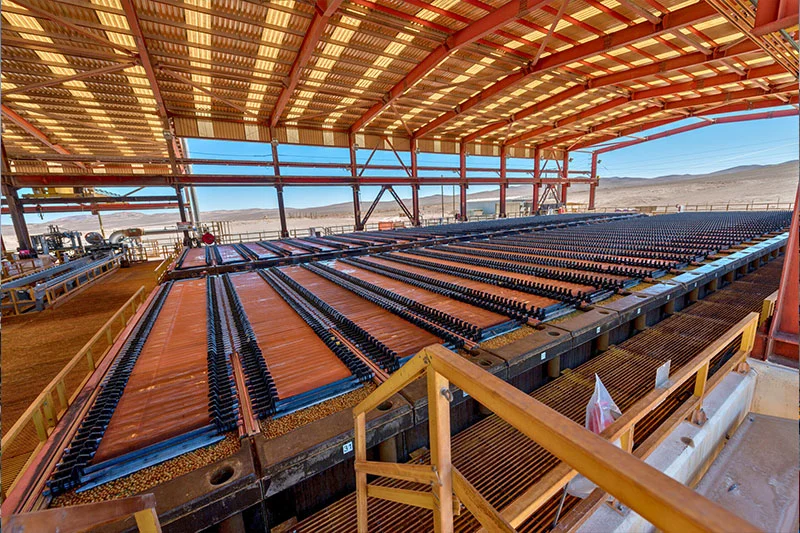
Mining Operations
Protect processing plants, SX-EW facilities, heavy equipment maintenance areas, fuel storage, and other mining-related hazards.

Marine & Offshore Environments
Support fire protection for vessels, ship engine spaces, docks, offshore platforms, and maritime operations exposed to fuel and oil hazards.
Chemical Facilities
Help safeguard chemical processing areas, solvent storage, mixing rooms, and facilities handling combustible or flammable liquids.
Oil & Gas Operations
Help control hydrocarbon-based fire risks in refineries, drilling operations, processing plants, and fuel handling areas.
Industrial & Manufacturing Facilities
Protect machinery spaces, production areas, chemical storage, warehouses, and industrial processes involving flammable liquids.
Defense & Military Facilities
Provide high-performance fire protection for mission-critical facilities, vehicle areas, aviation assets, and secure installations.
Power Generation Facilities
Protect turbines, fuel handling areas, substations, and energy infrastructure where oil, fuel, or chemical hazards are present.
Public Infrastructure
Enhance fire protection in transportation hubs, convention centers, and large public venues.
Specialized Environments
Support foam-based fire protection for helipads, transportation hubs, public infrastructure, food manufacturing facilities, and other special hazards applications.
Foam System Components We Support
State Fire supports foam suppression systems and related components, including:
- Foam concentrate tanks
- Bladder tanks
- Foam pumps
- Proportioning equipment
- Foam-water sprinkler systems
- Deluge systems
- Detection and releasing controls
- Foam makers and generators
- Nozzles, monitors, and discharge devices
- Valves, piping, and alarms
- Foam concentrate and system documentation
Our technicians help ensure each component is properly inspected, tested, maintained, repaired, and documented.
Code-Compliant Special Hazards Fire Protection
Foam fire suppression systems must be designed, installed, inspected, tested, and maintained according to applicable codes, standards, manufacturer requirements, and local Authority Having Jurisdiction requirements.
State Fire provides foam system services designed to support compliance with applicable standards such as NFPA 11, NFPA 16, local fire code requirements, manufacturer specifications, and facility-specific risk requirements.
Our team helps facilities maintain reliable special hazards fire protection while supporting documentation, inspection readiness, and long-term system performance.
Why Choose State Fire for Foam Fire Suppression Services?
State Fire helps commercial, industrial, aviation, marine, energy, and special hazards facilities protect people, property, equipment, and operations from flammable liquid fire risks.
With full-service foam fire suppression capabilities, State Fire can support your system through every stage of its lifecycle, from design and installation to inspection, testing, maintenance, repairs, upgrades, and replacement planning.
When your facility depends on reliable Class B fire suppression, State Fire provides the technical service, compliance support, and responsive fire protection expertise needed to keep your system ready.
Schedule foam fire suppression system service with State Fire today.
Frequently Asked Questions
What is a foam fire suppression system?
A foam fire suppression system uses specialized foam concentrate mixed with water and air to suppress flammable liquid fires. The foam forms a blanket over the fuel surface, helping separate the fuel from oxygen, suppress vapors, cool the hazard, and reduce re-ignition risk.
What types of fires do foam systems protect against?
Foam fire suppression systems are used in aircraft hangars, fuel storage facilities, chemical plants, marine environments, oil and gas facilities, industrial sites, mining operations, power generation facilities, and other special hazards environments.
What is AFFF replacement?
AFFF replacement is the process of evaluating, replacing, or upgrading legacy aqueous film-forming foam systems due to changing environmental requirements, PFAS concerns, and the move toward fluorine-free foam alternatives.
Can an existing foam system be upgraded to fluorine-free foam?
In some cases, yes. Existing foam systems may be candidates for fluorine-free foam upgrades, but the system must be evaluated for foam concentrate compatibility, proportioning performance, discharge requirements, equipment condition, and applicable code requirements.
How often should foam fire suppression systems be inspected?
Foam fire suppression systems should be inspected, tested, and maintained according to applicable NFPA standards, manufacturer requirements, local code requirements, and AHJ expectations. State Fire can help determine the appropriate inspection and testing schedule for your facility.
Does State Fire install and service foam fire suppression systems?
Yes. State Fire provides foam fire suppression system design, installation, inspection, testing, maintenance, repair, retrofit, upgrade, and replacement support for commercial, industrial, aviation, marine, energy, and special hazards facilities.