

Cylinder Hydro Testing Services
Protect your people and property with professional cylinder hydrostatic testing and recertification services from State Fire. Structurally weak or damaged cylinders can fail under pressure, creating serious safety risks. Routine hydrostatic testing for fire extinguishers and pressurized cylinders ensures your equipment remains safe, compliant, and ready for emergency use.
State Fire provides DOT-compliant hydrostatic testing services for fire extinguishers and specialty cylinders used in commercial, industrial, and regulated environments.
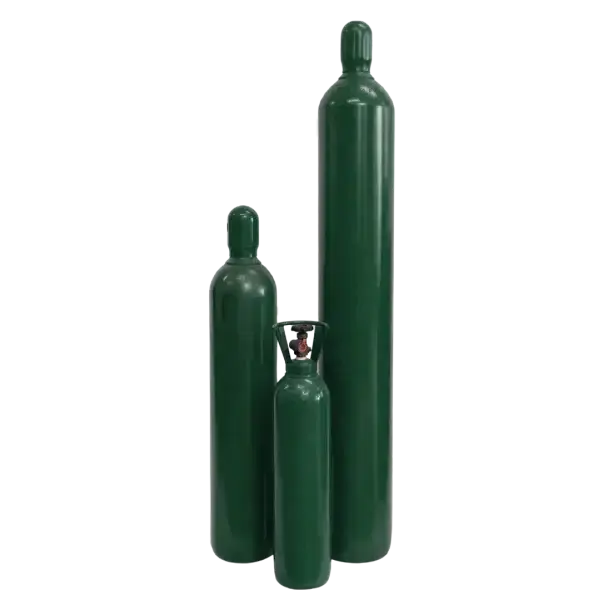
Our Cylinder Recertification Process
State Fire operates certified cylinder requalification facilities equipped with advanced testing equipment and experienced inspectors. Our technicians follow strict DOT regulations and NFPA standards to identify leaks, cracks, corrosion, and structural weaknesses before equipment failure occurs.
Hydrostatic testing intervals vary depending on cylinder type, pressure rating, and usage. Most fire extinguishers and pressurized cylinders require testing every three to twelve years to remain compliant.
Our Cylinder Recertification Process
Our cylinder requalification facility is outfitted with state-of-the-art testing equipment and highly-qualified inspectors who carefully follow DOT regulations to inspect your cylinders for leaks, cracks, and other structural weaknesses.
Step 1: Schedule Pickup & Transport
When your cylinders require testing, State Fire provides convenient pickup and transportation services for businesses and facilities. Our technicians safely transport your fire extinguishers and pressurized cylinders to our certified hydrostatic testing facility.
Routine testing schedules typically occur every 3–12 years, depending on cylinder requirements.
Step 2: Visual Cylinder Inspection
Before pressure testing begins, our technicians perform a detailed visual inspection to identify external damage or structural weaknesses.
We inspect for:
- Deep dents or impact damage
- External corrosion
- Weld defects or seam damage
- Surface cracking
- Physical distortion
Any cylinder that fails inspection is removed from service to prevent hazardous failure.
Step 3: Internal Cylinder Inspection
Once the exterior passes inspection, fittings and valves are removed to allow for an internal evaluation.
Our technicians:
- Remove discharge hoses and valves
- Fully discharge any remaining contents
- Inspect the cylinder interior
- Check for pitting, corrosion, or internal damage
Internal integrity is critical before proceeding to hydrostatic pressure testing.
Step 4: Hydrostatic Pressure Testing
After passing inspection, the cylinder undergoes hydrostatic pressure testing using controlled water pressure.
During testing:
- The cylinder is filled with water
- Pressure is applied above normal operating levels
- Technicians monitor for pressure loss or expansion
- Any leak or structural failure results in removal from service
This process verifies the cylinder can safely withstand operational pressure.
Step 5: Cylinder Refill & Documentation
Cylinders that pass hydrostatic testing are restored to service-ready condition.
We complete:
- Tank draining and drying
- Replacement of worn fittings
- Agent refill and repressurization
- Installation of tamper seals and hoses
- Compliance labeling or stamping
Low-pressure cylinders receive testing labels, while high-pressure cylinders are stamped with certification information.
Step 6: Delivery & Return to Service
Our efficient testing process minimizes downtime. Once testing is complete, we coordinate delivery to return your cylinders quickly.
Our streamlined workflow ensures your fire safety equipment returns to service without unnecessary delays.
Types of Equipment We Hydro Test
State Fire performs hydrostatic testing for low-pressure and high-pressure cylinders across many industries.
We test:
- Portable fire extinguishers
- Wheeled fire extinguishers
- Clean agent cylinders
- Restaurant suppression cylinders
- Vehicle fire suppression cylinders
- Industrial gas cylinders
Specialty Cylinder Testing Includes:
- CNG cylinder hydrostatic testing
- SCBA hydrostatic testing
- Oxygen cylinder testing
- Nitrogen cylinder testing
- Paintball tank pressure testing
- Specialty industrial cylinder testing
If you’re unsure whether your cylinder requires testing, our technicians can evaluate your equipment.
Why Choose State Fire for Hydrostatic Testing
State Fire is a trusted provider of hydrostatic testing and cylinder recertification services with the expertise to ensure safe and compliant equipment.
We provide:
- DOT-compliant hydrostatic testing services
- Certified cylinder requalification technicians
- Fast turnaround times to reduce downtime
- Pickup and delivery service options
- Complete inspection and documentation
- Testing for fire extinguishers and specialty cylinders
- Reliable service for commercial and industrial clients
We help ensure your cylinders remain safe, compliant, and ready for use.
Hydrostatic Testing FAQs
What is hydrostatic testing?
Hydrostatic testing is a pressure test used to verify that cylinders can safely hold pressure without leaking or failing.
How often do cylinders need hydrostatic testing?
Most cylinders require testing every three to twelve years, depending on the cylinder type and applicable regulations.
What happens if a cylinder fails hydrostatic testing?
If a cylinder fails testing, it must be removed from service and safely disposed of to prevent hazardous failure.
Can all fire extinguishers be hydrostatically tested?
Most fire extinguishers can be tested, but severely damaged or expired cylinders may need replacement instead.
Is hydrostatic testing required by law?
Yes. Many pressurized cylinders are required by DOT regulations and fire safety codes to undergo periodic hydrostatic testing.
DOT & NFPA-Compliant Cylinder Testing
Hydrostatic testing is required by law for many types of pressurized cylinders. State Fire performs testing according to DOT cylinder testing regulations and applicable NFPA fire protection standards.
Routine testing helps:
- Prevent dangerous cylinder failures
- Maintain regulatory compliance
- Extend equipment lifespan
- Improve emergency readiness
- Reduce liability risks
Our certified testing facility ensures accurate results and complete documentation for compliance records.
Who Needs Hydrostatic Testing Services
Hydrostatic testing is required for organizations that rely on pressurized cylinders and fire protection equipment.
We provide testing services for:
- Agriculture operations
- Commercial businesses
- Construction companies
- Oil and gas facilities
- Government buildings
- Hospitals and medical facilities
- Industrial manufacturing plants
- Mining operations (surface and underground)
- Religious institutions
- Restaurants and commercial kitchens
Routine testing protects personnel, equipment, and property while maintaining regulatory compliance.
Hydrostatic Testing Near You
Looking for reliable cylinder hydrostatic testing services near you? State Fire operates certified testing facilities and provides professional pickup and delivery services for businesses across multiple service regions.
We provide:
- Local cylinder hydrostatic testing
- Fast turnaround recertification services
- DOT-compliant testing documentation
- Pickup and delivery convenience
Speak with Our Hydrostatic Testing Experts
Not sure whether your cylinder needs hydrostatic testing or recertification? Our technicians are ready to help.
Contact State Fire today to schedule pickup, request testing, or speak with an expert about your cylinder safety requirements.