Commercial Fire Sprinkler Systems
State Fire provides complete fire sprinkler systems services for commercial, industrial, institutional, and high-risk facilities. Our team designs, installs, inspects, tests, repairs, and maintains fire sprinkler systems that help protect people, property, equipment, and business operations.
From new construction and tenant improvements to annual inspections, emergency repairs, fire pump testing, and system retrofits, we help facility owners and property managers stay protected and code compliant.

Complete Fire Sprinkler System Services
State Fire provides complete fire sprinkler systems services for commercial, industrial, institutional, and high-risk facilities. Our team designs, installs, inspects, tests, repairs, and maintains fire sprinkler systems that help protect people, property, equipment, and business operations.
From new construction and tenant improvements to annual inspections, emergency repairs, fire pump testing, and system retrofits, we help facility owners and property managers stay protected and code compliant.
Our fire sprinkler services include:
- Fire sprinkler system design
- Fire sprinkler installation
- Fire sprinkler inspections
- Fire sprinkler testing
- Fire sprinkler maintenance
- Fire sprinkler repair
- Fire pump testing
- Backflow testing
- Sprinkler system retrofits
- Emergency sprinkler service
- NFPA 13 and NFPA 25 compliance support

Fire Sprinkler Design & Engineering
A properly designed fire sprinkler system starts with the building, occupancy type, hazard classification, water supply, and applicable fire code requirements. State Fire designs commercial fire sprinkler systems for new buildings, renovations, tenant improvements, system upgrades, and specialized environments.
Our design process may include hydraulic calculations, pipe routing, equipment selection, shop drawings, AHJ coordination, and system layouts built around the needs of your facility. We design systems to support reliable fire protection while helping your project meet NFPA standards and local code requirements.
Fire Sprinkler Installation
State Fire installs fire sprinkler systems for commercial and industrial buildings, multi-tenant properties, warehouses, manufacturing facilities, healthcare buildings, educational facilities, retail spaces, and other protected environments.
Our installation team coordinates with contractors, building owners, facility managers, fire alarm providers, and local authorities to help keep projects moving smoothly from planning through final acceptance.
Fire Sprinkler Inspection, Testing & Maintenance
Routine inspection, testing, and maintenance are essential for keeping fire sprinkler systems ready to operate during an emergency. State Fire performs scheduled sprinkler inspections and testing to help identify issues before they become costly failures or compliance problems.
Our technicians inspect system components, document deficiencies, test required equipment, and provide clear reporting for your records, insurance requirements, and AHJ review.
Fire Sprinkler Repair & Emergency Service
Leaks, damaged sprinkler heads, failed valves, pressure problems, corrosion, frozen pipes, and impaired systems need fast attention. State Fire provides fire sprinkler repair and emergency service to help restore system performance and reduce risk to your facility.
Common fire sprinkler repairs include:
- Damaged sprinkler head replacement
- Leaking pipe or fitting repair
- Valve repair or replacement
- Fire pump troubleshooting
- Backflow preventer service
- Corrosion and obstruction issues
- Freeze damage repair
- System impairment support
- Deficiency correction after inspections
Fire Pump & Backflow Testing
Fire pumps and backflow preventers are critical parts of many commercial fire sprinkler systems. State Fire provides testing, inspection, maintenance, and repair support for fire pumps, controllers, jockey pumps, backflow assemblies, and related sprinkler system components.
Regular fire pump and backflow testing helps verify that the system has the water pressure, flow, and reliability needed to protect the building during a fire.
Fire Sprinkler Systems for Commercial Facilities
Different buildings require different types of sprinkler protection. State Fire works with multiple fire sprinkler system types based on the building use, fire risk, temperature conditions, occupancy, and code requirements.
Wet Pipe Fire Sprinkler Systems
Wet pipe sprinkler systems are the most common type of fire sprinkler system. These systems keep water in the piping at all times, allowing water to discharge quickly when a sprinkler head activates.
Wet pipe systems are commonly used in offices, schools, retail buildings, multifamily properties, warehouses, and other heated facilities.
Dry Pipe Fire Sprinkler Systems
Dry pipe sprinkler systems are used in areas where pipes may be exposed to freezing temperatures. Instead of water, the piping contains pressurized air or nitrogen until the system activates.
Dry systems are commonly used in parking garages, loading docks, unheated warehouses, freezers, and exterior canopies.
Pre-Action Fire Sprinkler Systems
Pre-action sprinkler systems are often used in environments where accidental water discharge could damage sensitive equipment or valuable assets. These systems typically require a detection event before water enters the piping.
Pre-action systems are commonly used in data centers, museums, archives, telecommunications rooms, and specialized equipment areas.
Deluge Fire Sprinkler Systems
Deluge sprinkler systems are designed for high-hazard environments where rapid water application may be required. These systems use open sprinkler heads and release water throughout the protected area when activated.
Deluge systems are often used in industrial facilities, aircraft hangars, chemical storage areas, and special hazard applications.
NFPA-Compliant Fire Sprinkler Inspections
Fire sprinkler systems must be inspected, tested, and maintained according to applicable NFPA standards, local code requirements, and AHJ expectations. State Fire helps facility owners stay compliant with NFPA 25 inspection, testing, and maintenance requirements.
NFPA 25 Inspection Schedule
Fire sprinkler inspection frequency depends on the system type, equipment, building conditions, and code requirements. Common inspection and testing intervals include:
| Frequency | Common Inspection or Testing Items |
|---|---|
| Weekly / Monthly | Gauges, control valves, pressure readings, visible system conditions |
| Quarterly | Waterflow devices, supervisory devices, valve status, fire department connections |
| Semiannual | Certain alarm devices, supervisory signal testing, system components |
| Annual | Full sprinkler inspection, main drain testing, fire pump testing, documentation review |
| 5-Year | Internal pipe inspections, obstruction investigations, standpipe testing where required |
Your facility may require additional inspections or testing based on occupancy, system type, insurance requirements, or local AHJ rules.
Deficiency Reports, Repairs & AHJ Documentation
When a sprinkler inspection identifies a deficiency, the issue should be documented, prioritized, and corrected based on severity. State Fire provides clear inspection reports and repair recommendations to help building owners understand what needs to be fixed.
Deficiencies may include closed or inaccessible valves, damaged sprinkler heads, missing escutcheons, corrosion, leaks, low pressure, failed alarm devices, obstructed sprinkler coverage, or overdue testing.
Fire Sprinkler Monitoring & Alarm Integration
Fire sprinkler systems often work together with fire alarm systems to notify building occupants, emergency responders, and monitoring centers when waterflow or supervisory conditions occur.
State Fire can help coordinate sprinkler system monitoring and alarm integration, including:
- Waterflow switch monitoring
- Valve tamper switch monitoring
- Supervisory signal coordination
- Fire pump monitoring
- Sprinkler system impairment alerts
- Fire alarm panel integration
- Central station monitoring coordination
- AHJ-required notification support
Proper monitoring helps ensure that sprinkler activations, closed valves, system trouble conditions, and other critical events are identified quickly.
Facilities We Serve
State Fire provides commercial fire sprinkler services for a wide range of buildings and industries, including:
- Office buildings
- Warehouses
- Manufacturing facilities
- Industrial plants
- Retail centers
- Restaurants
- Schools and universities
- Healthcare facilities
- Multifamily properties
- Hotels and hospitality properties
- Government buildings
- Data centers
- Parking garages
- High-risk and special hazard facilities
Why Choose State Fire for Fire Sprinkler Systems?
Fire sprinkler systems require more than installation. They require proper design, code knowledge, documentation, inspections, maintenance, repairs, and long-term support.
State Fire helps businesses protect their facilities with dependable fire sprinkler services backed by experience in commercial fire protection, life safety systems, inspection programs, and code compliance.
Choose State Fire for:
- Complete fire sprinkler system services
- Design, installation, inspection, testing, repair, and maintenance
- NFPA 13 and NFPA 25 compliance support
- Fire pump and backflow testing
- Emergency sprinkler repair
- Clear inspection reports and deficiency documentation
- Support for commercial, industrial, and high-risk facilities
- Coordination with fire alarm systems, contractors, and AHJs
Contact State Fire to schedule fire sprinkler service, request an inspection, or discuss a new sprinkler system for your facility.
Commercial Fire Sprinkler Services Near You
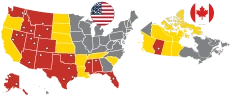
State Fire provides commercial fire sprinkler design, installation, inspection, testing, maintenance, and emergency repair through regional offices and local service teams.
Whether you need a new NFPA 13 system, an annual NFPA 25 inspection, fire pump testing, backflow testing, deficiency repairs, or 24/7 emergency service, State Fire helps keep your facility protected and compliant.
Fire Sprinkler Manufacturers & Partnerships
State Fire works with trusted fire protection manufacturers to support quality, reliability, and code-compliant system performance.



Fire Sprinkler System FAQs
How often do fire sprinkler systems need to be inspected?
Most commercial fire sprinkler systems require routine inspection, testing, and maintenance under NFPA 25. Some components may need weekly, monthly, quarterly, annual, or 5-year inspections depending on the system and local requirements.
What is included in a fire sprinkler inspection?
A fire sprinkler inspection may include checking valves, gauges, sprinkler heads, piping, hangers, fire department connections, waterflow devices, supervisory devices, fire pumps, backflow preventers, and visible system conditions. The inspection should also document deficiencies and required corrective actions.
Who is responsible for NFPA 25 compliance?
Building owners or their designated representatives are typically responsible for maintaining fire sprinkler systems and keeping inspection, testing, and maintenance records. A qualified fire protection provider can perform the required service and documentation.
What happens if a fire sprinkler deficiency is found?
If a deficiency is found, it should be documented and corrected based on the severity of the issue. Some deficiencies may require immediate repair, system impairment procedures, AHJ notification, or temporary fire watch until the system is restored.
Do fire sprinkler systems need to be monitored?
Many commercial fire sprinkler systems are connected to a fire alarm system or monitoring service. Monitoring may include waterflow alarms, valve tamper switches, supervisory signals, fire pump signals, and trouble conditions required by code or the AHJ.
Contact Your Nearest State Fire
Need fire sprinkler design, inspection, fire pump testing, monitoring coordination, or emergency repair? Contact your nearest State Fire team for expert support.