Commercial Kitchen Fire Protection Services
Commercial kitchens are some of the highest-risk fire environments in any building. Grease buildup, open flames, high-temperature appliances, cooking oils, and nonstop ignition sources can turn a small flare-up into a full kitchen fire in seconds.
State Fire provides complete commercial kitchen fire protection services for restaurants, hotels, cafeterias, food service facilities, and commercial cooking operations. Our certified technicians help protect your people, property, equipment, and revenue with kitchen fire suppression systems, restaurant hood cleaning, Class K fire extinguisher service, NFPA 96 compliance support, and 24/7 emergency response.
Whether you need a new system installed, a semi-annual suppression inspection, after-hours hood cleaning, or emergency recharge after a system discharge, State Fire helps keep your kitchen compliant, protected, and ready for inspection.
Complete Commercial Kitchen Fire Protection Services
State Fire supports every major fire safety requirement for commercial kitchens, from new construction and tenant improvements to ongoing inspections, maintenance, repair, and documentation.
Our restaurant fire protection services include:
- Commercial kitchen fire suppression system installation, inspection, maintenance, repair, and recharge
- Restaurant kitchen hood cleaning from hood face to rooftop exhaust fan
- NFPA 96-compliant hood, duct, plenum, and exhaust system cleaning
- NFPA 17A semi-annual kitchen suppression system inspections
- Class K fire extinguisher sales, inspection, recharge, and placement support
- Emergency suppression system repair, reset, and recharge after activation
- Fire code violation correction and failed inspection support
- Pre-inspection support for AHJ, health department, and insurance audits
- New construction, remodel, and tenant improvement system design
- Multi-location restaurant fire protection coordination
Every service is performed with attention to applicable NFPA standards, local fire code requirements, manufacturer specifications, and the authority having jurisdiction.

Kitchen Fire Suppression System Installation & Service
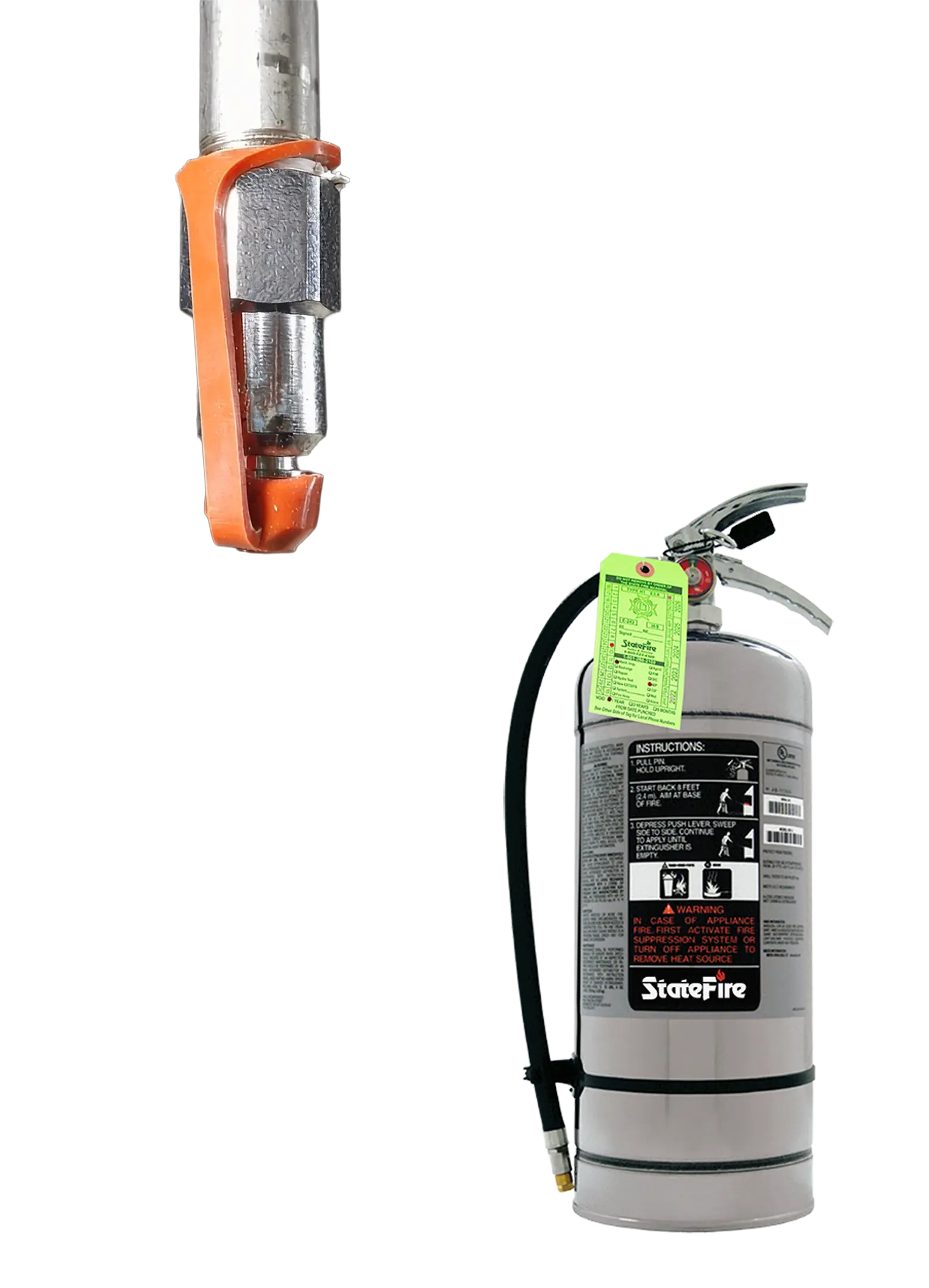
A properly designed and maintained kitchen fire suppression system is one of the most important life safety systems in a commercial kitchen. These systems are engineered to detect and suppress cooking fires quickly while helping shut down fuel or electrical sources connected to protected appliances.
State Fire installs, inspects, tests, maintains, repairs, and recharges commercial kitchen fire suppression systems for restaurants and food service facilities. We help make sure your system is properly matched to your cooking line, appliance layout, hood configuration, and local code requirements.
Our technicians service major commercial kitchen suppression brands, including:
- ANSUL R-102
- Amerex KP
- Kidde WHDR
- Badger
- Buckeye
- CaptiveAire CORE
- Other UL 300-listed kitchen suppression systems
Restaurant Hood Cleaning & Exhaust System Cleaning
Grease buildup inside kitchen hoods, ducts, plenums, filters, and exhaust fans is one of the leading causes of restaurant fires. If grease is allowed to accumulate, flames can spread rapidly through the exhaust system and create a fire that is difficult to control.
State Fire provides restaurant kitchen hood cleaning designed to remove combustible grease and residue from the full exhaust path, not just the visible hood surfaces. Our hood cleaning technicians clean from the hood face to the rooftop fan to help reduce fire risk, support NFPA 96 compliance, and keep your kitchen inspection-ready.
Our hood cleaning services may include:
- Hood interior and exterior cleaning
- Grease filter cleaning
- Plenum cleaning
- Duct access cleaning
- Exhaust fan cleaning
- Rooftop grease containment review
- Before-and-after photo documentation
- Service stickers and written reports
Class K Fire Extinguisher Service
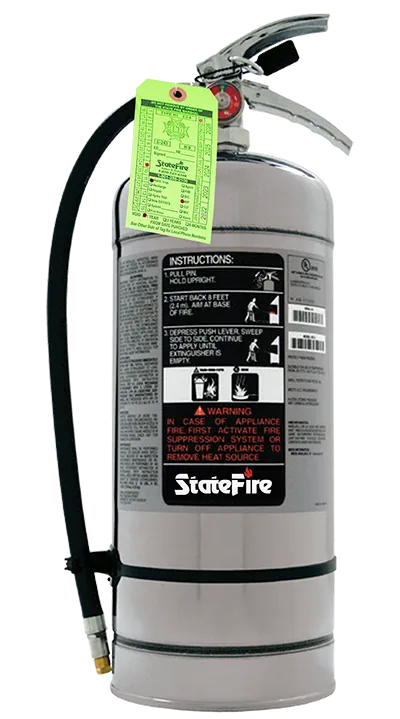
Commercial kitchens that use combustible cooking media need the right portable fire extinguishers in the right locations. Class K fire extinguishers are designed for cooking oil and grease fires and are a critical part of a complete kitchen fire protection program.
State Fire provides Class K extinguisher sales, placement support, inspection, recharge, maintenance, and replacement. We can coordinate your Class K extinguisher service with your kitchen suppression inspection and hood cleaning schedule to help simplify compliance.
NFPA 96 & NFPA 17A Compliance for Restaurants
Restaurant fire protection is heavily influenced by NFPA standards, local fire code, health department requirements, insurance expectations, and AHJ enforcement.
State Fire helps commercial kitchens maintain compliance with service and documentation related to:
- NFPA 96 ventilation control and fire protection for commercial cooking operations
- NFPA 17A wet chemical extinguishing system inspection and maintenance
- NFPA 10 portable fire extinguisher requirements, including Class K extinguishers
- Local fire marshal and AHJ requirements
- Insurance carrier documentation requests
- Manufacturer inspection and maintenance guidelines
Typical compliance requirements include scheduled hood cleaning, semi-annual kitchen fire suppression inspections, Class K extinguisher availability, documented service records, proper nozzle coverage, clean exhaust systems, working fuel shutoffs, and clear service tags.
Hood Cleaning, Suppression Inspections & Service Documentation
A commercial kitchen may be required to show proof of recent hood cleaning, suppression system inspection, extinguisher service, and deficiency correction during fire marshal, health department, insurance, or property management reviews.
State Fire provides service documentation that may include:
- Written service reports
- Hood cleaning photos
- Inspection findings
- Deficiency lists
- Repair recommendations
- Certificates of service
- Service tags and stickers
- Documentation for AHJ and insurance records
This helps keep your kitchen ready for inspections and gives owners, operators, and facility managers a clear record of completed fire protection work.
Support for AHJ, Health Department & Insurance Requirements
Failed inspections and incomplete documentation can lead to correction notices, reinspection fees, operational delays, higher insurance scrutiny, or even temporary kitchen closure.
State Fire helps restaurants prepare for and respond to compliance requirements from:
- Fire marshals
- Authorities having jurisdiction
- Health departments
- Insurance carriers
- Property managers
- Franchise or corporate safety teams
- Facility maintenance departments
Emergency Repair, Recharge & System Reset
If your kitchen fire suppression system activates, your kitchen cannot safely return to normal operation until the system has been inspected, serviced, recharged, and reset by a qualified technician.
State Fire provides emergency kitchen suppression service for system activations, accidental discharges, failed components, damaged nozzles, low agent levels, and other urgent deficiencies.
Emergency service may include:
- Post-discharge inspection
- Wet chemical agent recharge
- Cylinder replacement or recharge
- Nozzle cap and component replacement
- Fusible link replacement
- System reset
- Service documentation
- Repair recommendations
- Support for reopening and reinspection
Need Emergency Kitchen Suppression Service?
What We Inspect on Commercial Kitchen Fire Suppression Systems
A kitchen suppression inspection is more than a quick visual check. State Fire technicians review critical system components that help detect, control, and suppress cooking fires.
Depending on your system type and configuration, inspection may include:
- Nozzles and nozzle caps
- Fusible links or detection components
- Manual pull station
- Control head
- Agent cylinder or tank condition
- Wet chemical agent level
- Pressure indicators
- Appliance coverage
- Hood and duct coverage
- Gas and electrical shutoff function
- Fuel source interlock
- System piping and brackets
- Service tags and inspection records
- Recent appliance changes or cooking line modifications
- Deficiencies requiring repair or replacement
If your cooking equipment has changed since the system was designed, your suppression coverage may need to be reviewed to make sure the system still protects the correct hazards.
Restaurant Fire Protection Maintenance Plans
The easiest way to avoid last-minute compliance issues is to keep your kitchen on a scheduled maintenance plan.
State Fire can coordinate recurring restaurant fire protection services so your inspections, hood cleaning, extinguisher service, and documentation stay organized throughout the year.
A restaurant fire protection maintenance plan may include:
- Semi-annual kitchen suppression system inspections
- Scheduled hood and duct cleaning based on cooking volume
- Class K fire extinguisher inspections and recharge
- Deficiency tracking and repair recommendations
- Emergency repair and recharge support
- After-hours and overnight scheduling
- Multi-location service coordination
- Documentation for AHJ and insurance audits
This gives restaurant owners and facility managers one coordinated service partner for the major fire protection needs inside the kitchen.
Scheduled Service for Single-Site & Multi-Location Kitchens
State Fire supports independent restaurants, franchise operators, hospitality groups, and multi-location food service facilities. For restaurant groups and chains, we can help coordinate service schedules, documentation, deficiency tracking, and recurring inspections across multiple locations.
This is especially helpful for operators managing multiple kitchens, mixed equipment types, different AHJ requirements, or locations across multiple service areas.
After-Hours Service to Avoid Kitchen Downtime
Kitchen downtime costs money. State Fire offers after-hours and overnight scheduling for many restaurant fire protection services, including hood cleaning and planned maintenance, to help reduce disruption during normal operating hours.
Failed Fire Inspection & Fire Code Violation Support
If your restaurant has received a fire code correction notice, failed fire marshal inspection, hood cleaning violation, or kitchen suppression deficiency, State Fire can help identify the issue and provide a path toward correction.
We can help with:
- Failed fire inspection corrections
- AHJ correction notices
- Hood cleaning violations
- Missing or expired service tags
- Suppression system deficiencies
- Class K extinguisher deficiencies
- Emergency recharge requirements
- Reinspection documentation
- Repair quotes and recommended timelines
State Fire provides clear reporting and practical next steps so you can address deficiencies and get your kitchen back into compliance.
Why Choose State Fire for Restaurant Fire Protection
State Fire helps restaurants simplify fire protection by coordinating multiple kitchen safety services through one experienced provider.
Why commercial kitchens choose State Fire:
- Certified hood cleaning and suppression system technicians
- NFPA 96 and NFPA 17A-compliant service support
- Kitchen fire suppression, hood cleaning, and Class K extinguisher service
- Service for major UL 300-listed kitchen suppression systems
- 24/7 emergency response for system activations
- After-hours scheduling to reduce disruption
- Multi-location coordination for restaurant groups and chains
- Documentation for AHJ, insurance, and facility records
- Deficiency reporting with clear repair recommendations
- Local code knowledge through regional service teams
From routine maintenance to emergency recharge, State Fire helps keep your commercial kitchen safer, more compliant, and ready for inspection.
Commercial Kitchens & Food Service Facilities We Serve
State Fire provides commercial kitchen fire protection services for a wide range of food service environments, including:
- Restaurants
- Bars and grills
- Hotels and resorts
- Cafeterias
- School kitchens
- College and university dining facilities
- Healthcare and senior living kitchens
- Grocery store kitchens
- Commercial bakeries
- Commissary kitchens
- Ghost kitchens
- Food courts
- Corporate dining facilities
- Industrial food service operations
- Multi-location restaurant groups and franchises
If your facility uses commercial cooking equipment that produces grease-laden vapors, State Fire can help you understand your fire protection requirements and service schedule.
Trusted Kitchen Fire Suppression Brands We Service
State Fire services many major commercial kitchen fire suppression system brands used in restaurants and food service facilities.
Brands we install and service include:





Restaurant Fire Protection Services Near You
State Fire provides restaurant fire protection services through regional offices, with scheduling options designed around the needs of busy commercial kitchens.
Whether you operate one restaurant or manage multiple food service locations, our team can help you coordinate hood cleaning, kitchen suppression inspections, Class K extinguisher service, emergency repairs, and compliance documentation.

Commercial Kitchen Fire Protection FAQs
How often should restaurant hood systems be cleaned?
Restaurant hood cleaning frequency depends on cooking volume, equipment type, grease production, and local requirements. High-volume kitchens may need monthly or quarterly cleaning, while lower-volume kitchens may qualify for semi-annual or annual cleaning schedules. State Fire can assess your operation and recommend the right hood cleaning frequency.
Are commercial kitchen fire suppression systems required?
Many commercial kitchens are required to have an approved automatic fire suppression system installed over cooking equipment that produces grease-laden vapors. Requirements depend on the cooking equipment, occupancy type, local fire code, and authority having jurisdiction.
How often should commercial kitchen fire suppression systems be inspected?
Commercial kitchen fire suppression systems are commonly inspected by a qualified technician on a semi-annual schedule, with regular owner-level visual checks between professional inspections. Systems should also be inspected after activation, discharge, equipment changes, or suspected damage.
What happens if a restaurant fails a fire inspection?
A failed restaurant fire inspection may result in a correction notice, required repairs, reinspection, fines, or operational restrictions depending on the severity of the issue and the AHJ. State Fire can help identify deficiencies, provide repair recommendations, complete service work, and provide documentation for reinspection.
What brands of kitchen fire suppression does State Fire service?
State Fire services many major commercial kitchen fire suppression systems, including ANSUL, Amerex, Kidde, Badger, Buckeye, CaptiveAire, and other recognized manufacturers.
Do I also need Class K fire extinguishers?
Many commercial kitchens need Class K wet chemical fire extinguishers near cooking equipment that uses combustible cooking media, such as vegetable oils and animal fats. Exact requirements depend on equipment type, placement, local code, and AHJ requirements.
Can hood cleaning be scheduled after-hours?
Yes. State Fire can schedule restaurant hood cleaning during overnight, off-hours, or other low-impact service windows to help avoid disrupting kitchen operations.
Contact State Fire
Need a checkup for your fire suppression system? Our team is certified to install and service a variety of fire protection systems. Contact the State Fire team today!