
Hydrostatic Testing & Cylinder Recertification Services
Pressurized cylinders that fail under pressure can cause serious injury, equipment damage, downtime, and compliance issues. Hydrostatic testing helps identify leaks, corrosion, expansion, and structural weaknesses before a cylinder becomes unsafe to use.
State Fire provides hydrostatic testing and cylinder recertification services for fire extinguishers, SCBA cylinders, CNG cylinders, clean agent suppression cylinders, restaurant suppression cylinders, oxygen and nitrogen cylinders, and specialty pressurized equipment used in commercial, industrial, municipal, and regulated environments.
Our certified testing facilities and trained technicians help ensure each cylinder is inspected, tested, documented, and returned to service as safely and efficiently as possible.
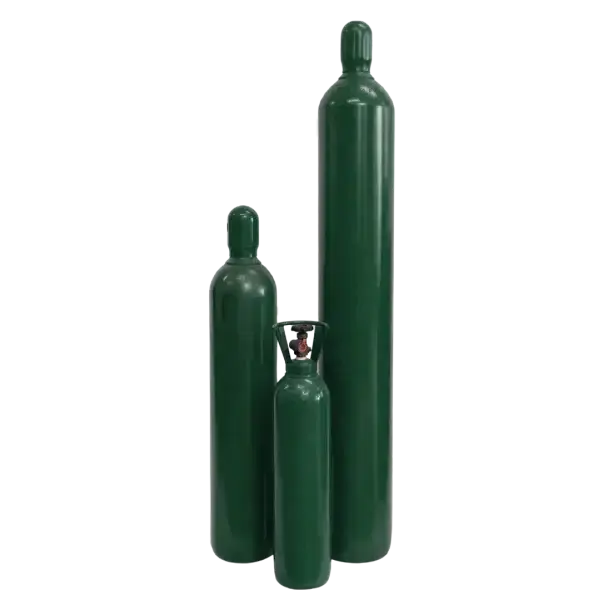
DOT-Compliant Hydrostatic Testing for Pressurized Cylinders
Hydrostatic testing is a controlled pressure test used to confirm that a cylinder can safely hold pressure during normal use. The cylinder is filled with water, pressurized to the required test pressure, and evaluated for leaks, pressure loss, and permanent expansion.
State Fire provides cylinder requalification services in accordance with applicable DOT requirements, NFPA standards, manufacturer guidelines, and cylinder condition. Our team can help verify whether your cylinder is due for testing, eligible for refill, or should be removed from service.
Hydrostatic testing is commonly required for:
- Portable and wheeled fire extinguishers
- SCBA cylinders
- Clean agent suppression cylinders
- Kitchen fire suppression cylinders
- Vehicle and mobile equipment suppression cylinders
- CNG cylinders
- Oxygen, nitrogen, and industrial gas cylinders
- Specialty pressure cylinders and applicable pressure vessels
Why Cylinder Hydrostatic Testing Matters
Most pressurized cylinders are required to be inspected and hydrostatically tested at regular intervals. Depending on the cylinder type, material, pressure rating, and regulatory requirements, testing may be required every 3, 5, 10, or 12 years.
Routine cylinder recertification helps:
- Prevent dangerous ruptures and pressure failures
- Maintain DOT, NFPA, OSHA, and local compliance
- Keep fire protection equipment ready for emergencies
- Extend usable cylinder life when equipment passes testing
- Reduce liability and safety risk
- Support audit, insurance, and AHJ documentation requirements
- Identify cylinders that should be repaired, replaced, or condemned
Skipping required hydrostatic testing can leave your facility out of compliance and may prevent cylinders from being legally refilled or returned to service.
Is Your Cylinder Due for Hydrostatic Testing?
Testing intervals vary by cylinder type and cylinder markings. If you are unsure whether your equipment is due, State Fire can inspect the cylinder, review the stamped test date, and confirm the applicable requalification requirements.
| Cylinder Type | Common Testing Interval | Notes |
|---|---|---|
| Stored-pressure fire extinguishers | Often 12 years | Depends on extinguisher type, condition, and cylinder marking |
| CO2 fire extinguishers and cylinders | Often 5 years | DOT cylinder specifications may apply |
| SCBA cylinders | Often 3 or 5 years | Depends on material, DOT spec, and service-life requirements |
| Clean agent suppression cylinders | Varies | Based on system type, cylinder, agent, and applicable standards |
| Kitchen suppression cylinders | Varies | Inspection and testing depend on cylinder type and manufacturer requirements |
| CNG cylinders | Varies | Must be evaluated based on cylinder marking, use, and applicable regulations |
| Oxygen, nitrogen, and industrial cylinders | Varies | Testing depends on cylinder specification and pressure rating |
Common signs your cylinder may need hydrostatic testing or replacement include:
- Expired or unreadable test date
- Visible dents, gouges, corrosion, or pitting
- Damaged threads, valves, hoses, or fittings
- Evidence of heat, fire exposure, or physical distortion
- Failed visual inspection
- Cylinder cannot be legally refilled without requalification
When in doubt, contact State Fire before refilling or returning a cylinder to service.
Our Cylinder Recertification Process
State Fire follows a controlled hydrostatic testing and cylinder recertification process designed to identify defects before pressurization and verify cylinder integrity before the equipment is returned to service.
Step 1: Pickup & Transport
State Fire offers pickup and transportation options to move cylinders safely from your facility to a certified testing location. This helps reduce disruption for businesses, fire departments, industrial sites, fleet operators, and multi-location facilities.
Step 2: External Visual Inspection
Before pressure testing begins, technicians inspect the outside of the cylinder for visible damage that could make it unsafe.
We inspect for:
- Deep dents, gouges, and impact damage
- External corrosion and pitting
- Weld defects or seam damage
- Cracking, bulging, or distortion
- Heat or fire damage indicators
- Damaged collars, threads, valves, or fittings
Cylinders that fail visual inspection are removed from service to help prevent hazardous failure.
Step 3: Internal Cylinder Inspection
When required, fittings and valves are removed so technicians can inspect the cylinder interior.
This may include:
- Removing discharge hoses, valves, and siphon tubes
- Fully discharging remaining contents
- Inspecting the interior for corrosion, scale, or pitting
- Checking threads and sealing surfaces
- Confirming the cylinder is suitable for pressure testing
Internal integrity is critical before a cylinder is pressurized.
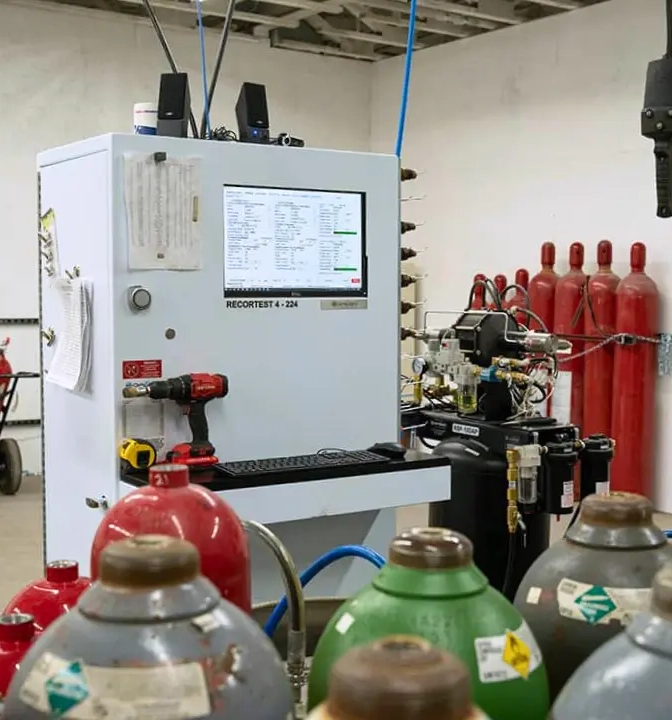
Step 4: Hydrostatic Pressure Testing
Cylinders that pass inspection are filled with water and pressure tested using the required test pressure for that cylinder type.
During hydrostatic testing, technicians:
- Fill and seal the cylinder with water
- Apply the required test pressure
- Monitor for leaks or pressure loss
- Measure cylinder expansion
- Calculate permanent expansion against allowable limits
- Remove failed cylinders from service
Using water helps reduce stored energy during the test and makes the process safer than pressurizing with compressed gas.
Step 5: Cylinder Reconditioning & Refill
Cylinders that pass testing are restored to service-ready condition when applicable.
This may include:
- Draining, drying, and interior cleaning
- Replacing worn fittings, O-rings, valves, or hoses
- Refilling agent or contents to specification
- Repressurizing the cylinder
- Installing tamper seals or service tags
- Applying compliance labels for low-pressure cylinders
- Stamping high-pressure cylinders with the test date and facility identification
Step 6: Documentation, Delivery & Return to Service
After testing and reconditioning are complete, State Fire provides documentation for your records and coordinates return delivery or installation support.
Documentation may support:
- DOT compliance
- NFPA inspection records
- Fire marshal or AHJ review
- Insurance documentation
- Internal safety audits
- Multi-site equipment tracking
Our goal is to help minimize downtime while keeping your cylinders compliant, documented, and ready for use.
Equipment We Hydrostatically Test
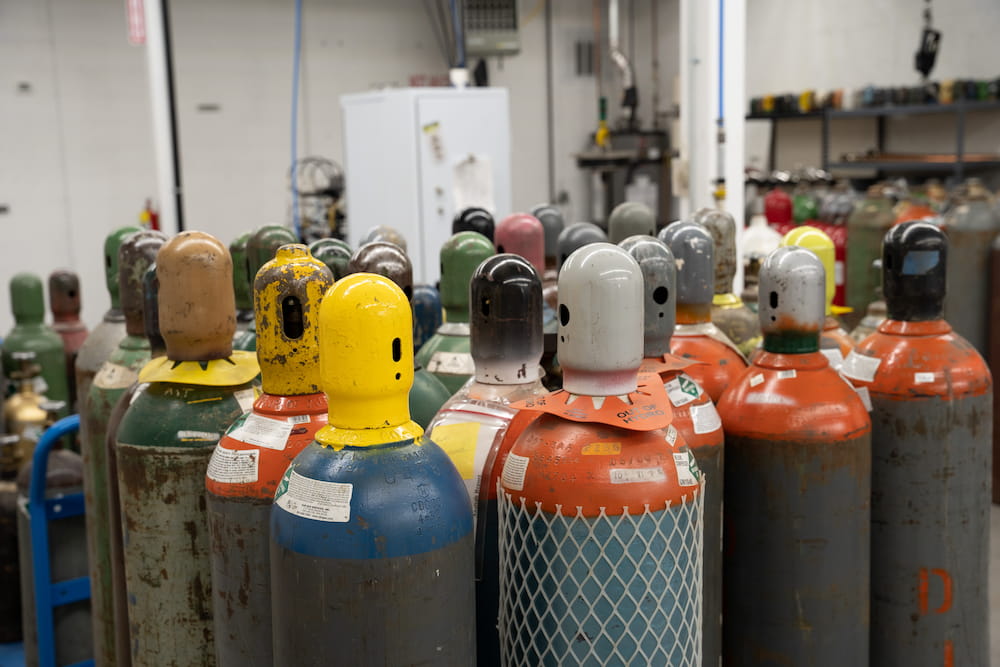
State Fire tests both low-pressure and high-pressure cylinders used in fire protection, emergency response, commercial operations, industrial facilities, fleet applications, and specialty environments.
Fire Protection Cylinders
- Portable fire extinguishers
- Wheeled fire extinguishers
- Clean agent suppression cylinders
- Restaurant kitchen suppression cylinders
- Vehicle and mobile equipment fire suppression cylinders
- Special hazards suppression cylinders
Specialty & Industrial Cylinders
- SCBA cylinders
- CNG cylinders
- Oxygen cylinders
- Nitrogen cylinders
- Industrial gas cylinders
- Specialty small pressure cylinders
- Applicable industrial pressure vessels
- Specialty cylinders by request
If you are not sure whether your cylinder can be tested, our technicians can inspect the equipment and confirm the next step.
Industries We Serve
State Fire provides hydrostatic testing and cylinder recertification for organizations that rely on pressurized cylinders, fire protection equipment, and documented safety programs.
We serve:
- Commercial buildings and office properties
- Industrial manufacturing facilities
- Construction companies
- Agriculture operations
- Oil and gas facilities
- Mining operations
- Government and municipal buildings
- Hospitals and healthcare facilities
- Fire departments and emergency services
- Schools, universities, and religious institutions
- Restaurants and commercial kitchens
- Transportation and fleet operators
- Multi-site property and facility management teams
Why Choose State Fire for Cylinder Recertification
When cylinder safety and compliance matter, you need more than a basic pressure test. You need a qualified fire protection partner that understands inspection requirements, documentation, equipment downtime, and real-world facility operations.
State Fire offers:
- DOT-compliant cylinder requalification services
- Certified hydrostatic testing technicians
- Testing for low-pressure and high-pressure cylinders
- Fire extinguisher hydrostatic testing
- SCBA cylinder recertification
- CNG and industrial cylinder testing
- Clean agent and suppression cylinder testing
- Pickup and delivery service options
- Documentation for compliance records
- Support for commercial, industrial, municipal, and government clients
- Multi-site coordination for fleet and portfolio operators
Hydrostatic Testing Services Near You
State Fire provides hydrostatic testing and cylinder recertification through certified testing facilities, regional offices, and pickup and delivery service options.
Whether you need fire extinguisher hydrostatic testing, SCBA cylinder testing, CNG cylinder recertification, clean agent cylinder testing, or specialty pressure cylinder requalification, our team can help keep your equipment compliant, documented, and ready for service.
Hydrostatic Testing FAQs
What is hydrostatic testing?
Hydrostatic testing is a pressure verification test that fills a cylinder with water and applies pressure above normal operating levels to confirm the cylinder can safely hold pressure without leaking, expanding excessively, or failing structurally.
How often do cylinders need hydrostatic testing?
Most pressurized cylinders require testing every 3 to 12 years depending on the cylinder type, material, pressure rating, cylinder marking, and applicable DOT or NFPA requirements. Fire extinguishers commonly follow 5- or 12-year cycles, while SCBA and high-pressure cylinders may follow shorter intervals.
How do I know if my cylinder is due?
Check the cylinder stamp, service label, manufacturer date, or most recent hydrostatic test date. If the markings are unreadable or you are unsure which interval applies, State Fire can inspect the cylinder and help confirm whether testing or replacement is required.
What happens if a cylinder fails hydrostatic testing?
A failed cylinder is removed from service and may be condemned if it cannot safely hold pressure or meet allowable expansion limits. State Fire can help document the failure, recommend replacement options, and support proper disposal when required.
Can all fire extinguishers be hydrostatically tested?
Most rechargeable commercial fire extinguishers can be tested, but extinguishers with severe damage, expired markings, non-rechargeable designs, or unsafe cylinder conditions may need to be replaced instead of tested.
Is hydrostatic testing required by law?
Yes. Many pressurized cylinders are subject to DOT requalification requirements, and fire extinguishers are also covered by applicable NFPA inspection, maintenance, and testing standards. Requirements vary by cylinder type, use, and marking.
Do you provide pickup and delivery?
Yes. State Fire offers pickup and delivery options for businesses and facilities to help transport cylinders safely to and from testing locations while reducing operational disruption.
Schedule Hydrostatic Testing & Cylinder Recertification
Not sure whether your cylinder needs hydrostatic testing, recertification, refill, or replacement? State Fire can help.
Contact our team today to schedule cylinder pickup, request hydrostatic testing, or speak with a technician about your compliance requirements.